 Employee service recognition has shifted significantly over the past two decades, driven by changing workforce demographics, evolving employee expectations, and a growing body of research on what makes recognition effective.
The three most important trends shaping modern Service Award Programs are the move toward gift-of-choice awards over pre-selected gifts, the expansion of recognition to earlier career milestones, and the growing emphasis on personal, manager-delivered acknowledgment over impersonal or automated recognition. Organizations whose programs haven't kept pace with these shifts risk recognition efforts that feel outdated - or worse, go unnoticed entirely.
Trend 1: The Type of Awards Given Has Changed Dramatically
The most significant shift in Service Recognition over the past 30 years has been in the type of award given. The gold watch and the plaque have given way to something far more valued: choice.
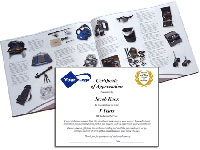 Rather than receiving a pre-selected item that may or may not reflect their interests, today's employees receive an employee gift catalog and select the award that's personally meaningful to them.
The gift-of-choice model is now the gold standard for employee recognition awards, and for good reason: employees receive something they actually want, from a selection the company provides. The result is higher satisfaction, stronger trophy value, and lasting memories tied to the recognition moment. When employees choose their own award, it stays meaningful long after the ceremony ends. A lasting reminder of recognition rather than a forgotten gift.
Trend 2: Recognition Frequency Has Increased Significantly
For most of the 20th century, formal recognition didn't begin until an employee reached 25 years of service — or retired. Today's standard starts at five years, with growing momentum to recognize even earlier.
Today, it is standard practice to recognize employee milestones starting at the 5th service anniversary and at every five-year increment thereafter, with enhanced recognition at retirement. Organizations that still wait until year 25 to say "thank you" are operating with a model that was built for a different era, and a different workforce.
Trend 3: Earlier Service Recognition Is Now a Strategic Necessity
The five-year anniversary worked well as a starting point for decades - until workforce demographics shifted.
Millennials (born 1981–1996) average fewer than five years at any one employer, according to the US Department of Labor. With recognition traditionally beginning at year five, entire segments of the workforce were passing through organizations without ever being formally acknowledged.
The response has been a meaningful expansion of recognition - adding earlier formal milestones at 1, 2, and 3 years, and sometimes at onboarding completion.
This shift isn't just about Millennials. It reflects a broader truth about employee engagement: SHRM data shows that 28% of companies now formally celebrate first-year anniversaries.
Starting recognition early helps reduce early-tenure turnover, builds a sense of belonging from day one, and establishes a pattern of appreciation that employees carry throughout their careers at your organization.
Why These Trends Matter for Your Organization
 The companies that adapt their recognition programs to reflect these trends will find themselves better positioned to attract, engage, and retain the talent they need. Those that don't will keep losing good people, often without ever knowing recognition was a factor.
These evolving practices ensure that all employees, regardless of tenure, feel valued and appreciated. As the workforce continues to change, so too must the strategies for employee recognition.
Implementing these evolving practices ensures that all employees, regardless of tenure, feel valued and appreciated. As the workforce of today continues to change, so too must the strategies for employee recognition.
Click next to continue reading the Guide to Employee Service Awards
Prev: Value of Service Awards Next: Service Milestone Categories


Or, see Service Award Guide's contents (List of Topics) to jump to specific topics